
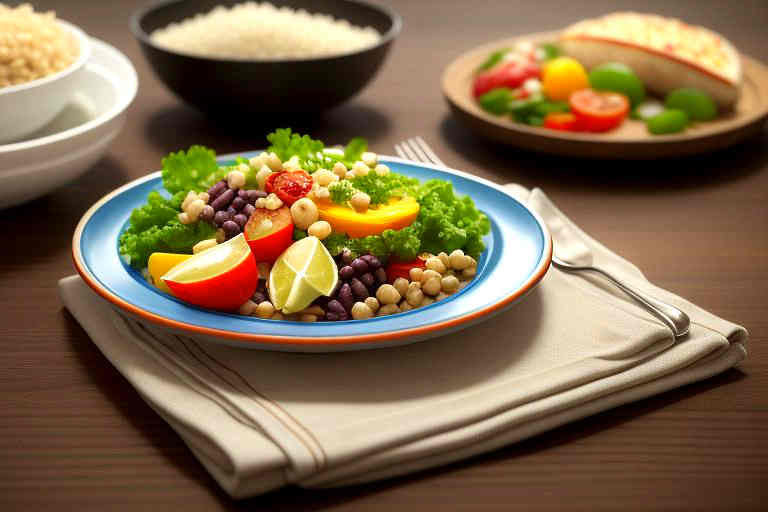
Holistic healing is gaining popularity worldwide as people seek natural ways to improve their well-being. Nutrition plays a critical role in this decision, with certain dietary changes enhancing the body’s natural healing processes. Here, we’ll dive into key dietary modifications that can support a holistic approach to health, helping you feel revitalized from the inside out.
Understanding Holistic Healing and Nutrition
Holistic healing takes into consideration the whole person—mind, body, and spirit—in achieving optimal health. Diet, in this context, is not just about weight management but about nourishing every cell to improve immunity, reduce inflammation, and enhance mental clarity. Integrating a balanced, nutrient-rich diet is essential for supporting the body’s natural healing abilities.
1. Emphasize Whole, Unprocessed Foods
Whole foods are the foundation of any holistic diet. These foods are rich in vitamins, minerals, and antioxidants that help the body repair and regenerate. Processed foods, on the other hand, often contain added sugars, unhealthy fats, and artificial ingredients that can lead to inflammation and slow down or even hinder the healing process.
Examples of whole foods include the following:
Fresh fruits and vegetables
Whole grains like quinoa, brown rice, and oats
Nuts, seeds, and legumes
Lean proteins such as chicken, turkey, and tofu
Switching to whole foods reduces exposure to harmful additives and helps maintain a stable blood sugar level, which is crucial for energy and mood balance.
2. Prioritize Anti-Inflammatory Foods
Inflammation is often the root cause of chronic illnesses. Anti-inflammatory foods can slow down and reduce oxidative stress, protect against cellular damage, and support the immune system. Adding anti-inflammatory foods to your diet is one of the most effective ways to support holistic healing.
Top anti-inflammatory foods include:
Fatty fish like salmon and sardines (high in omega-3 fatty acids)
Flaxseed
Leafy greens like spinach and kale
Berries, such as blueberries and strawberries
Spices like turmeric and ginger
Incorporating these foods not only aids in reducing inflammation but also supports heart health and cognitive function.
3. Adopt Plant-Based Eating for Gut Health
A plant-based diet, rich in fiber, vitamins, and minerals, promotes a healthy gut microbiome. Gut health is central to immunity and mental well-being, as a balanced gut can enhance nutrient absorption and reduce the risk of digestive disorders.
Try including:
Fermented foods like yogurt, kimchi, and kombucha for probiotics
High-fiber foods such as beans, lentils, and whole grains
Even a gradual shift towards a plant-based diet, such as Meatless Mondays, can significantly benefit your gut health.
4. Incorporate Hydrating and Detoxifying Foods
Hydration is essential for every aspect of bodily function, from digestion to detoxification. Detoxifying foods aid in flushing out toxins, while hydrating foods keep cells functioning optimally.
Hydrating and detoxifying foods include:
Water-rich fruits like watermelon, oranges, and cucumber
Leafy greens and cruciferous vegetables, such as broccoli and cabbage
Herbal teas, especially those made from dandelion or green tea, which are known for their detoxifying properties
Increasing water intake alongside these foods can support your liver and kidneys, helping to rid your body of harmful toxins.
5. Limit Sugar, Fast Food, and Processed Carbohydrates
Refined sugars and an excess of processed carbs can lead to energy crashes, inflammation, and other health issues. By cutting back on these foods, you support balanced blood sugar levels, stable energy, and better mood regulation.
Reducing or even eliminating the use of fast food will do wonders for your well being and health. Below are the following reasons why fast food is detrimental to the health.
- High in Calories: Fast food is often calorie-dense, leading to weight gain if consumed frequently.
- Excessive Sugar: Many fast food items contain high levels of added sugars, contributing to obesity and diabetes.
- Unhealthy Fats: Fast food is typically high in trans fats and saturated fats, which can raise cholesterol levels and increase heart disease risk.
- Low Nutritional Value: Fast food often lacks essential nutrients, vitamins, and minerals necessary for a balanced diet.
- High Sodium Content: Many fast food meals are loaded with excessive salt, which can lead to hypertension and other cardiovascular issues.
- Addictive Nature: The combination of sugar, fat, and salt can create cravings, leading to overeating.
- Impact on Mental Health: Diets high in fast food have been linked to increased rates of depression and anxiety.
- Digestive Issues: Fast food can be low in fiber, leading to digestive problems like constipation.
- Increased Risk of Chronic Diseases: Regular consumption is associated with a higher risk of conditions like heart disease, diabetes, and certain cancers.
- Environmental Concerns: Fast food production often involves practices that can harm the environment, indirectly affecting public health.
Some healthier alternatives for sweeteners and carbs include:
Replacing white sugar with natural sweeteners like honey or maple syrup or stevia.
Swapping refined grains for whole grains like millet, buckwheat or organic oats.
Using natural sources of sweetness from fruits
Reducing sugar and processed carbs can help prevent insulin resistance, a key factor in preventing chronic illnesses.
6. Boost Your Diet with Superfoods
Superfoods are nutrient-dense foods that offer a wealth of health benefits. Adding superfoods to your diet can help your body combat stress, increase energy, and improve resilience.
Examples of powerful superfoods for holistic healing:
Chia seeds and flaxseeds (high in fiber and omega-3 fatty acids)
Goji berries and acai berries (rich in antioxidants)
Spirulina and chlorella (plant-based proteins packed with nutrients)
Reishi or chaga mushrooms.
Superfoods can enhance your overall nutrition, giving you an extra edge in supporting immune function and cellular repair.
7. Consider Mindful Eating and Regular Meal Timing
Mindful eating is a practice that aligns well with holistic healing principles. Being mindful of portion sizes, eating at regular intervals, and listening to hunger and satiety cues can reduce stress, improve digestion, and boost energy levels.
By practicing mindful eating, you can form a positive relationship with food and eat in ways that truly support your health goals.
Conclusion
Dietary changes can have a profound impact on holistic healing. By focusing on whole, anti-inflammatory, plant-based foods, hydrating and detoxifying options, and superfoods, you can support your body’s natural healing processes. Remember, dietary shifts are most effective when they’re gradual and sustainable—so start with small changes and build up as you go.
Support holistic healing by making thoughtful dietary choices today, and watch your health transform!